The Unseen Threat in Our Waterways: Pharmaceuticals Are Changing the Game for Wildlife:

By: Emily Ridyard
Date: May 12th, 2025

Pharmaceuticals in the Water; let’s dive into this sobering topic with a dash of scientific rigor. 🧐
💊 Pharmaceuticals in Our Waters: A Wild Dose of Reality
Imagine this: you’re a fish, minding your own business, when suddenly, you’re feeling unusually relaxed. No, it’s not a spa day, it’s the unintended consequence of human pharmaceuticals infiltrating aquatic ecosystems.
🐟 Fish on Benzos: The Unintended Experiment
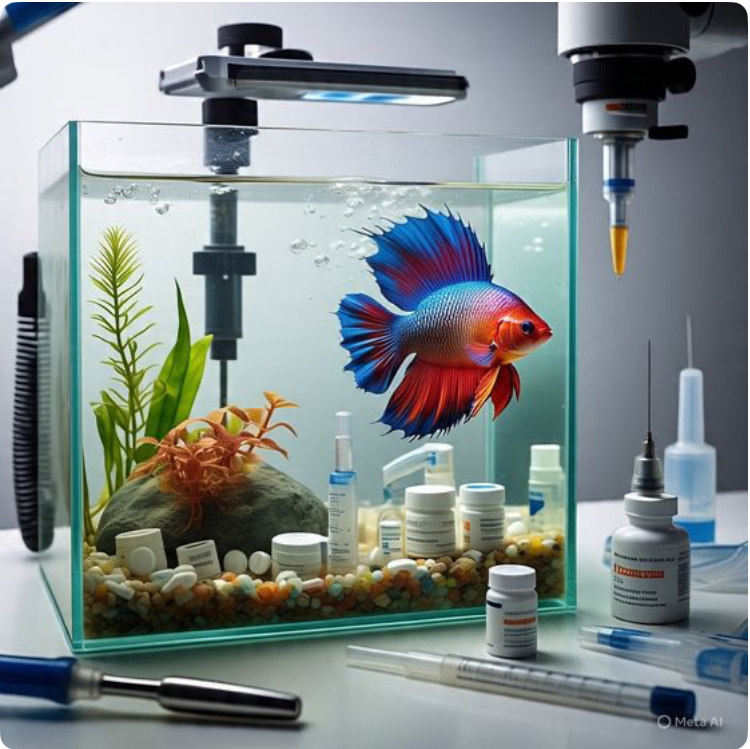
Researchers have found that fish exposed to trace amounts of benzodiazepines, such as oxazepam, exhibit altered behaviors. These include increased activity, reduced social interactions, and higher feeding rates. While these changes might seem beneficial, they can disrupt natural behaviors and ecological balances .
🦢 Geese and Squirrels: The Ripple Effect
While most studies focus on aquatic life, terrestrial animals like geese and squirrels aren’t entirely off the hook.

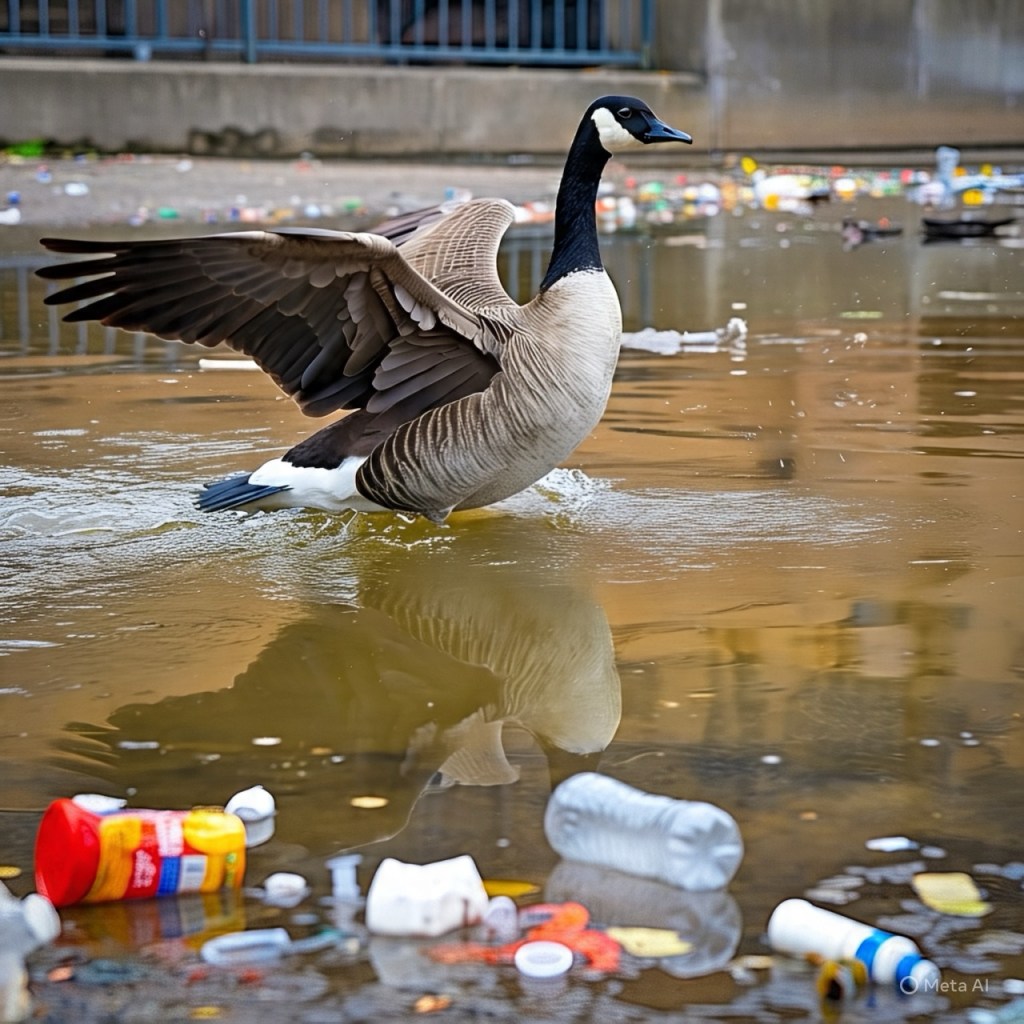
These creatures often rely on water sources that may be contaminated with pharmaceuticals. Though direct studies are limited, the potential for bioaccumulation and behavioral changes exists, warranting further research.
🚰 How Do These Drugs Enter the Ecosystem?
Human Excretion: After consumption, drugs are excreted and enter sewage systems.
Improper Disposal: Flushing unused medications contributes to contamination.
Agricultural Runoff: Pharmaceuticals used in livestock can leach into waterways. Manufacturing Waste: Improper disposal from pharmaceutical factories adds to the problem.
🧪 The Broader Impact on Wildlife
Beyond behavioral changes, pharmaceutical pollutants can have physiological effects:
Reproductive Issues: Exposure to certain drugs can lead to reproductive abnormalities in fish. Growth Impairments: Some pharmaceuticals can stunt growth or cause developmental issues. Mortality Rates: Altered behaviors can increase predation risks, leading to higher mortality.
🛡️ Mitigation Strategies
Addressing this issue requires a multifaceted approach:
Improved Wastewater Treatment: Upgrading facilities to effectively filter out pharmaceuticals.
Public Education: Informing the public about proper medication disposal.
Regulatory Measures: Implementing stricter guidelines for pharmaceutical disposal and manufacturing waste.
🎯 Conclusion
While the image of a fish on anti-anxiety medication might elicit a chuckle, the reality is far from humorous. The infiltration of pharmaceuticals into our ecosystems poses significant risks to wildlife and, by extension, to human health. It’s a clarion call for improved waste management, public education, and robust research to safeguard our environment.
Note: For a deeper dive into this topic, consider exploring the following resources:
What Happens to Wildlife Swimming in a Sea of Our Drug Residues? Pharmaceutical pollution of the world’s rivers Pharmaceuticals in Water | U.S. Geological Survey
By: Emily Ridyard Research
Publication Date: Tuesday May 13th 2025; 9:38am CHICAGO

 The Taco Cat - Kept Knowledge
Leave a comment